
Migration Trends Affecting Housing
- Elissa Campos
- Jul 6
- 2 min read
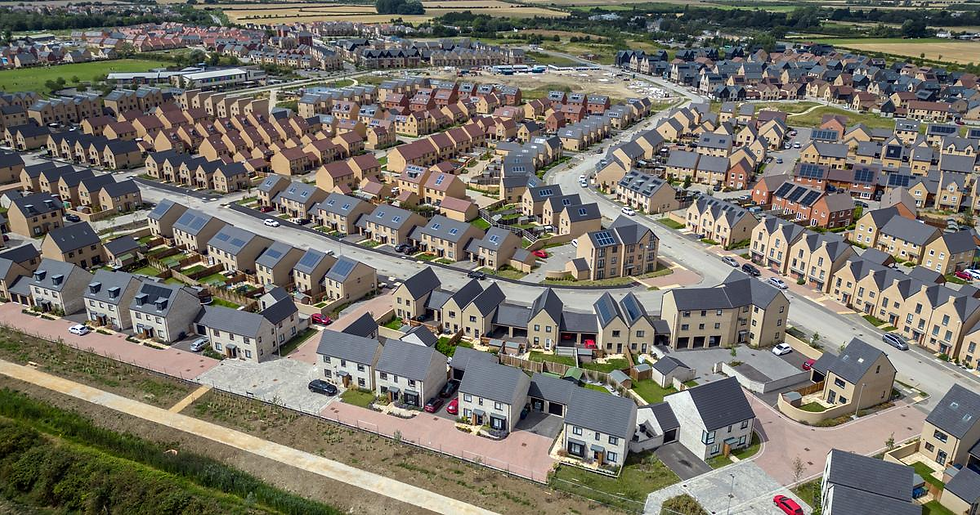
Migration patterns play a major role in shaping housing markets. When people move into or out of an area, housing demand changes, affecting home prices, rental rates, inventory levels, and new construction activity.
What Is Migration?
Migration refers to people relocating from one area to another, whether:
Between cities
Between states or provinces
Between countries
From urban to suburban areas
From expensive markets to more affordable regions
Every move creates a shift in local housing demand.
Urban to Suburban Migration
One of the most significant recent trends has been the movement of residents from dense urban centers to suburban communities.
Why People Move to the Suburbs
Larger homes
More outdoor space
Lower housing costs
Better schools
Remote work flexibility
Housing Impact
Increased suburban home prices
Higher demand for single-family homes
New residential developments
Reduced urban rental demand in some areas
Migration to Affordable Regions
Many households relocate from expensive housing markets to areas offering a lower cost of living.
Common Motivations
Lower home prices
Reduced taxes
Better quality of life
Lower living expenses
Retirement relocation
Housing Impact
Rising home values in destination markets
Increased competition for local buyers
Growth in new housing construction
Expansion of surrounding communities
Remote Work and Housing Demand
The rise of remote work has allowed many professionals to live farther from their employers.
Effects on Housing
Increased demand in smaller cities
Growth in rural housing markets
Demand for larger homes with office space
Reduced dependence on city-center locations
International Migration
Immigration can significantly influence housing demand, especially in major metropolitan areas.
Housing Effects
Increased rental demand
Growth in multi-family housing
Stronger demand for entry-level homes
Expansion of housing development projects
When immigration rises faster than housing construction, affordability challenges can emerge.
Sun Belt and Lifestyle Migration
Many people relocate to regions offering:
Warmer climates
Lower taxes
Job growth
Better lifestyle opportunities
Housing Impact
Increased demand for housing
Rising home prices
More new construction
Growth in rental markets
Retirement Migration
Retirees often relocate to communities with:
Lower costs
Favorable weather
Better healthcare access
Active lifestyle amenities
Effects on Housing
Increased demand for retirement communities
Growth in age-restricted housing
Rising home values in retirement destinations
Increased demand for healthcare-related infrastructure
Challenges Created by Migration
For Local Residents
Higher housing costs
Increased competition
Reduced affordability
Rental shortages
For Growing Communities
Infrastructure strain
School overcrowding
Transportation challenges
Need for expanded housing supply
Opportunities Created by Migration
For Homeowners
Rising property values
Strong resale demand
Increased rental income opportunities
For Developers
Demand for new housing projects
Expansion into growing markets
Opportunities for mixed-use developments
Key Takeaway
Migration trends are one of the most powerful forces influencing housing markets. Whether driven by affordability, employment opportunities, retirement, or remote work, population movement can quickly transform local housing demand. Communities that attract new residents often experience rising home prices, increased construction, and stronger competition for available housing, while areas losing population may see slower price growth and increased inventory.


Comments